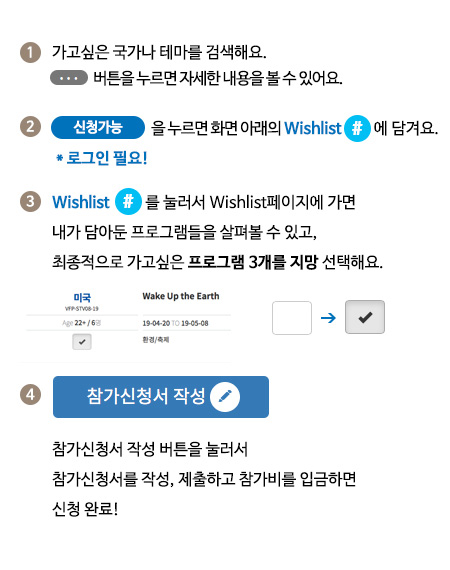
참가신청 방법 안내

Description of the partner organizing/hosting the project:
SEEDS’ programme combines learning, sharing and hands-on activities. Alongside the workshops, participants will discover Reykjavík, learn about Icelandic culture and enjoy the city's unique surroundings through organised activities and optional excursions. Participants should be prepared to present environmental issues from their own countries and to spend time outdoors, including walks of up to 1.5 hours during activities and sightseeing.
Note this project is a learning/sharing camp and not a standard workcamp. This project has a smaller volunteer work part and places a greater emphasis on the personal learning process than on the community impact.
Description of work:
During this camp, participants will explore global and local environmental issues while developing their photography skills. If you are interested in climate change, sustainability and waste management, and enjoy photography, this project is for you!
While developing artistic and technical photography skills, you will be focusing on environmental and sustainability issues through non-formal activities such as workshops, discussions, presentations and visits facilitated by SEEDS. One of our aims is to help consumers and travellers better understand the environmental impact of their choices. You will visit local environmental and conservation projects, which may include hands-on activities or guided visits, such as outdoor cleanup tasks, nature exhibitions or Icelandic museums. Some of these activities are dependent on weather conditions, as on the availability of our partners.
You will also have time to put the theory about photography into practice while exploring the city. Through practical exercises and workshops, participants will improve both the artistic and technical aspects of photography, including composition, storytelling and photographing nature and urban environments.
Photography will be used not only as a creative skill, but also as a way to raise awareness of environmental issues and encourage participants to reflect on the relationship between people and nature.
At the end of the camp, participants will select their favourite photographs for an online exhibition at SEEDS’ social media channels. Participants should bring their digital cameras, lenses, tripods and laptops if possible.
SEEDS will organise a night photography workshop combined with an aurora hunting excursion in the city. Northern lights are a natural phenomenon depending on solar activity and meteorological conditions, so we cannot guarantee you will see northern lights, but the night photography workshop will be organised anyway.
Description of location and leisure:
Reykjavík is a dynamic, modern city that lives in harmony with nature, using renewable energy sources. The world’s northernmost capital bridges the Atlantic, between Europe and North America. Reykjavík is spread across a peninsula with a panoramic view of the mountains and the Atlantic. It is an international city with a lively cosmopolitan cultural scene surrounded by beautiful nature.
Meeting Point and Time: The meeting time will be at 18:00 (6:00 pm) on January 6 at SEEDS’ office in Reykjavík. Participants that cannot arrive on time (later or delayed flights) will be sent information on how to reach the camp on their own.
The nearest airport: KEF
The nearest terminal (train-, bus-, taxi station): BSI Station
Description of accommodation and food:
SEEDS participants will stay in a house in Reykjavík. The facilities are basic with an equipped kitchen, dining and living room, bathrooms, showers and a washing machine. Participants will sleep in shared rooms with up to 6 people so everyone is expected to behave considerately. Please bring your own towel.
Participants will receive food ingredients and be in charge of the cooking and cleaning activities. Please note that food provided by SEEDS will be vegetarian. Do not forget to bring some vegetarian traditional/typical food, drinks, recipes, music or games from your country for the intercultural evening. Be aware some items or ingredients may be expensive in Iceland and you need to buy them yourselves or bring them from your country.
English
* 현장납부비용 : 450 EUR
Number of total volunteers: 12
Number of places available for male volunteers: 6
Number of places available for female volunteers: 6
Maximum number of volunteers per nationality: 3
Maximum number of teenager volunteers: 0
Maximum number of national (local) volunteers: 0
Extra fee: 450 EUR
First Language: English
Participation of volunteers with disabilities: No
Available vegetarian food: Yes
[침낭 구비 안내]
개인 위생을 위해 개인용 침낭을 반드시 준비하시기 바랍니다.
[아이슬란드 워크캠프 특징]
1)아이슬란드 항공권 & 미니버스
아이슬란드 수도(Reykjavik) 이외의 지역에서 개최되는 워크캠프의 경우 캠프 기간 전후로 최소 하루의 여유를 두고 항공권을 준비하시기 바랍니다.
아울러 아이슬란드는 대중교통이 발달되어 있지 않아 아이슬란드 기관에서는 수도 이외의 지역에서 개최되는 워크캠프의 참가자에게는 저렴한 가격의 교통수단(미니버스)를 제공하고 있습니다. 참가자들과 미팅포인트에서 만나 함께 캠프 개최지까지 미니버스로 이동하며, 미니버스 관련 내용은 합격 후 인포싯(infosheet)을 통해 안내 드립니다.
2)자유시간
아이슬란드 워크캠프는 다른 국가의 워크캠프에 비해 참가자들의 자유시간이 많은 편입니다. 자유시간은 캠프 리더와 참가자 간의 상의 하에 결정(문화 교류, 근교 여행, 휴식 등)될 수 있습니다.
3)방한복 구비
아이슬란드는 비바람이 잦고 한 여름을 제외하고는 날씨가 매우 춥습니다. 따라서 방한복 및 방수복을 준비해 가시고, 여름에도 긴 소매의 옷을 가져가시는 것이 좋습니다.
Participation fee EUR 450 (Euros). The fee can either be transferred in advance via bank transfer, or paid in cash on arrival.
Description of the partner organizing/hosting the project:
SEEDS’ programme combines learning, sharing and hands-on activities. On top of that you get to know Iceland and its culture while having fun, exploring the city, its attractions and stunning nature, which you can experience in possible excursions. Participants should prepare to share environmental issues from their countries and be ready to spend time outdoors walking medium distances (up to 1,5 hours) during activities and sightseeing.
Note this project is a learning/sharing camp and not a standard workcamp. This project has a smaller volunteer work part and puts a bigger emphasis on the personal learning process than on the community impact.
SEEDS will organise a night photography and aurora hunting workshop in the city or in the vicinity of Reykjavík. Northern lights are a natural phenomenon depending on solar activity and meteorological conditions, so we cannot guarantee you will see northern lights, but the night photography workshop will be organised anyway.
Description of work:
During this camp, participants can share their passion for (and learn more about) global & local environmental issues, as well as photography. If you are interested in topics such as climate change, waste management and sustainability, and you also love taking photos, then this project is for you!
While developing artistic and technical photography skills, you will be focusing on environmental and sustainability issues through non-formal activities such as workshops, discussions, presentations and visits facilitated by SEEDS. One of our aims is to help create more environmentally aware consumers & travellers!
You will visit local projects on environment and conservation. These may include hands-on activities or guided visits, such as outdoor cleanup tasks, a local fauna and/or flora exhibition or an Icelandic culture museum. Some of these activities are dependent on weather conditions, as on the availability of our partners.
You will also have time to put the theory about photography into practice while exploring the city. At the end of the camp, the best photographs from each participant are selected for an online exhibition on SEEDS' social media. Participants should bring their own digital cameras, lenses, tripods and laptops if possible.
Reykjavík
Description of location and leisure:
Reykjavík is a dynamic, modern city that lives in harmony with nature, using renewable energy sources. The world’s northernmost capital bridges the Atlantic, between Europe and North America. Reykjavík is spread across a peninsula with a panoramic view of the mountains and the Atlantic. It is an international city with a lively cosmopolitan cultural scene surrounded by beautiful nature.
Some excursions (e.g. to the Golden Circle, Hot River hike and/or South Shore) can be arranged at discount fares if there is free time after the camp workshops/sessions.
It may be very cold and/or rainy, so we recommend bringing warm and waterproof clothes (underlayers, overcoats, scarves, gloves and hats) and good walking shoes, as some of the activities take place outdoors.
Meeting Point and Time: The Meeting time will be at 18:00 (6:00 pm) on January 16 at SEEDS’ office in Reykjavík. Participants that cannot arrive on time (later or delayed flights) will be sent information on how to reach the camp on their own.
The nearest airport: KEF
The nearest terminal (train-, bus-, taxi station): Closest international Airport: Keflavík/Reykjavík (KEF). From the airport there are bus services to the city, either the Flybus or the bus number 55. The meeting point will be at the SEEDS office at Grettisgata 3a.
Description of accommodation and food:
SEEDS participants will stay in a house in Reykjavík. The facilities are basic with an equipped kitchen, dining and living room, bathrooms, showers and a washing machine. Participants sleep in shared rooms with up to 6 people so everyone is expected to behave considerately. Please bring your own towel.
Participants will receive food supplies and be in charge of the cooking and cleaning activities. Note the food SEEDS provides will be vegetarian. Do not forget to bring some traditional/typical food, drinks, recipes, music or games from your country for the intercultural evening. Be aware some items or ingredients may be expensive in Iceland and you will need to buy them yourselves or bring them from your country.
English
* 현장납부비용 : 450 EUR
Number of total volunteers: 12
Number of places available for male volunteers: 6
Number of places available for female volunteers: 6
Maximum number of volunteers per nationality: 3
Maximum number of teenager volunteers: 0
Maximum number of national (local) volunteers: 0
Extra fee: 450 EUR
First Language: English
Participation of volunteers with disabilities: No
Available vegetarian food: Yes
Description of specific requirements: Participation fee EUR 450 (Euros). The fee can either be transferred in advance via bank transfer, or paid in cash on arrival. It includes transportation from the meeting point to the camp (on the first day) and the night photography workshop.
[침낭 구비 안내]
개인 위생을 위해 개인용 침낭을 반드시 준비하시기 바랍니다.
[아이슬란드 워크캠프 특징]
1)아이슬란드 항공권 & 미니버스
아이슬란드 수도(Reykjavik) 이외의 지역에서 개최되는 워크캠프의 경우 캠프 기간 전후로 최소 하루의 여유를 두고 항공권을 준비하시기 바랍니다.
아울러 아이슬란드는 대중교통이 발달되어 있지 않아 아이슬란드 기관에서는 수도 이외의 지역에서 개최되는 워크캠프의 참가자에게는 저렴한 가격의 교통수단(미니버스)를 제공하고 있습니다. 참가자들과 미팅포인트에서 만나 함께 캠프 개최지까지 미니버스로 이동하며, 미니버스 관련 내용은 합격 후 인포싯(infosheet)을 통해 안내 드립니다.
2)자유시간
아이슬란드 워크캠프는 다른 국가의 워크캠프에 비해 참가자들의 자유시간이 많은 편입니다. 자유시간은 캠프 리더와 참가자 간의 상의 하에 결정(문화 교류, 근교 여행, 휴식 등)될 수 있습니다.
3)방한복 구비
아이슬란드는 비바람이 잦고 한 여름을 제외하고는 날씨가 매우 춥습니다. 따라서 방한복 및 방수복을 준비해 가시고, 여름에도 긴 소매의 옷을 가져가시는 것이 좋습니다.
Language: English will be the language in the camp; intermediate conversational skills are needed.
Participation fee: EUR 450 (Euros). The fee can either be transferred in advance via bank transfer, or paid in cash on arrival.
Description of the partner organizing/hosting the project:
SEEDS’ programme combines learning, sharing and hands-on activities. On top of that you get to know Iceland and its culture while having fun, exploring the city, its attractions and stunning nature, which you can experience in possible excursions. Participants should prepare to share environmental issues from their countries and be ready to spend time outdoors walking medium distances (up to 1,5 hours) during activities and sightseeing.
Note this project is a learning/sharing camp and not a standard workcamp. This project has a smaller volunteer work part and puts a bigger emphasis on the personal learning process than on the community impact.
SEEDS will organise a night photography and aurora hunting workshop in the city or in the vicinity of Reykjavík. Northern lights are a natural phenomenon depending on solar activity and meteorological conditions, so we cannot guarantee you will see northern lights, but the night photography workshop will be organised anyway.
Description of work:
During this camp, participants can share their passion for (and learn more about) global & local environmental issues, as well as photography. If you are interested in topics such as climate change, waste management and sustainability, and you also love taking photos, then this project is for you!
While developing artistic and technical photography skills, you will be focusing on environmental and sustainability issues through non-formal activities such as workshops, discussions, presentations and visits facilitated by SEEDS. One of our aims is to help create more environmentally aware consumers & travellers!
You will visit local projects on environment and conservation. These may include hands-on activities or guided visits, such as outdoor cleanup tasks, a local fauna and/or flora exhibition or an Icelandic culture museum. Some of these activities are dependent on weather conditions, as on the availability of our partners.
You will also have time to put the theory about photography into practice while exploring the city. At the end of the camp, the best photographs from each participant are selected for an online exhibition on SEEDS' social media. Participants should bring their own digital cameras, lenses, tripods and laptops if possible.
Reykjavík
Description of location and leisure:
Reykjavík is a dynamic, modern city that lives in harmony with nature, using renewable energy sources. The world’s northernmost capital bridges the Atlantic, between Europe and North America. Reykjavík is spread across a peninsula with a panoramic view of the mountains and the Atlantic. It is an international city with a lively cosmopolitan cultural scene surrounded by beautiful nature.
Meeting Point and Time: From the airport there are bus services to the city, either the Flybus or the bus number 55. The meeting point will be at the SEEDS office at Grettisgata 3a.
The nearest airport: KEF
The nearest terminal (train-, bus-, taxi station): Closest international Airport: Keflavík/Reykjavík (KEF).
Description of accommodation and food:
SEEDS participants will stay in a house in Reykjavík. The facilities are basic with an equipped kitchen, dining and living room, bathrooms, showers and a washing machine. Participants sleep in shared rooms with up to 6 people so everyone is expected to behave considerately. Please bring your own towel.
Participants will receive food supplies and be in charge of the cooking and cleaning activities. Note the food SEEDS provides will be vegetarian. Do not forget to bring some traditional/typical food, drinks, recipes, music or games from your country for the intercultural evening. Be aware some items or ingredients may be expensive in Iceland and you will need to buy them yourselves or bring them from your country.
English
* 현장납부비용 : 450 EUR
Number of total volunteers: 12
Number of places available for male volunteers: 6
Number of places available for female volunteers: 6
Maximum number of volunteers per nationality: 3
Maximum number of teenager volunteers: 0
Maximum number of national (local) volunteers: 0
Extra fee: 450 EUR
First Language: English
Participation of volunteers with disabilities: No
Available vegetarian food: Yes
[침낭 구비 안내]
개인 위생을 위해 개인용 침낭을 반드시 준비하시기 바랍니다.
[아이슬란드 워크캠프 특징]
1)아이슬란드 항공권 & 미니버스
아이슬란드 수도(Reykjavik) 이외의 지역에서 개최되는 워크캠프의 경우 캠프 기간 전후로 최소 하루의 여유를 두고 항공권을 준비하시기 바랍니다.
아울러 아이슬란드는 대중교통이 발달되어 있지 않아 아이슬란드 기관에서는 수도 이외의 지역에서 개최되는 워크캠프의 참가자에게는 저렴한 가격의 교통수단(미니버스)를 제공하고 있습니다. 참가자들과 미팅포인트에서 만나 함께 캠프 개최지까지 미니버스로 이동하며, 미니버스 관련 내용은 합격 후 인포싯(infosheet)을 통해 안내 드립니다.
2)자유시간
아이슬란드 워크캠프는 다른 국가의 워크캠프에 비해 참가자들의 자유시간이 많은 편입니다. 자유시간은 캠프 리더와 참가자 간의 상의 하에 결정(문화 교류, 근교 여행, 휴식 등)될 수 있습니다.
3)방한복 구비
아이슬란드는 비바람이 잦고 한 여름을 제외하고는 날씨가 매우 춥습니다. 따라서 방한복 및 방수복을 준비해 가시고, 여름에도 긴 소매의 옷을 가져가시는 것이 좋습니다.
Language: English will be the language in the camp; intermediate conversational skills are needed. Participation fee: EUR 450 (Euros). The fee can either be transferred in advance via bank transfer, or paid in cash on arrival.
Description of the partner organizing/hosting the project:
SEEDS’ programme combines learning, sharing and hands-on activities. On top of that you get to know Iceland and its culture while having fun, exploring the city, its attractions and stunning nature, which you can experience in possible excursions. Participants should prepare to share environmental issues from their countries and be ready to spend time outdoors walking medium distances (up to 1,5 hours) during activities and sightseeing.
Note this project is a learning/sharing camp and not a standard workcamp. This project has a smaller volunteer work part and puts a bigger emphasis on the personal learning process than on the community impact.
SEEDS will organise a night photography and aurora hunting workshop in the city or in the vicinity of Reykjavík. Northern lights are a natural phenomenon depending on solar activity and meteorological conditions, so we cannot guarantee you will see northern lights, but the night photography workshop will be organised anyway.
Description of work:
During this camp, participants can share their passion for (and learn more about) global & local environmental issues, as well as photography. If you are interested in topics such as climate change, waste management and sustainability, and you also love taking photos, then this project is for you!
While developing artistic and technical photography skills, you will be focusing on environmental and sustainability issues through non-formal activities such as workshops, discussions, presentations and visits facilitated by SEEDS. One of our aims is to help create more environmentally aware consumers & travellers!
You will visit local projects on environment and conservation. These may include hands-on activities or guided visits, such as outdoor cleanup tasks, a local fauna and/or flora exhibition or an Icelandic culture museum. Some of these activities are dependent on weather conditions, as on the availability of our partners.
You will also have time to put the theory about photography into practice while exploring the city. At the end of the camp, the best photographs from each participant are selected for an online exhibition on SEEDS' social media. Participants should bring their own digital cameras, lenses, tripods and laptops if possible.
SEEDS’ programme combines learning, sharing and hands-on activities. On top of that you get to know Iceland and its culture while having fun, exploring the city, its attractions and stunning nature, which you can experience in possible excursions. Participants should prepare to share environmental issues from their countries and be ready to spend time outdoors walking medium distances (up to 1,5 hours) during activities and sightseeing.
Description of location and leisure:
Reykjavík is a dynamic, modern city that lives in harmony with nature, using renewable energy sources. The world’s northernmost capital bridges the Atlantic, between Europe and North America. Reykjavík is spread across a peninsula with a panoramic view of the mountains and the Atlantic. It is an international city with a lively cosmopolitan cultural scene surrounded by beautiful nature.
Meeting Point and Time: The Meeting time will be at 18:00 (6:00 pm) on February 5 at SEEDS’ office in Reykjavík at Grettisgata 3a. Participants that cannot arrive on time (later or delayed flights) will be sent information on how to reach the camp on their own.
The nearest airport: KEF
The nearest terminal (train-, bus-, taxi station): Closest international Airport: Keflavík/Reykjavík (KEF). From the airport there are bus services to the city, either the Flybus or the bus number 55.
Description of accommodation and food:
SEEDS participants will stay in a house in Reykjavík. The facilities are basic with an equipped kitchen, dining and living room, bathrooms, showers and a washing machine. Participants sleep in shared rooms with up to 6 people so everyone is expected to behave considerately. Please bring your own towel.
Participants will receive food supplies and be in charge of the cooking and cleaning activities. Note the food SEEDS provides will be vegetarian. Do not forget to bring some traditional/typical food, drinks, recipes, music or games from your country for the intercultural evening. Be aware some items or ingredients may be expensive in Iceland and you will need to buy them yourselves or bring them from your country.
English
* 현장납부비용 : 450 EUR
Number of total volunteers: 10
Number of places available for male volunteers: 6
Number of places available for female volunteers: 4
Maximum number of volunteers per nationality: 3
Maximum number of teenager volunteers: 0
Maximum number of national (local) volunteers: 0
Extra fee: 450 EUR
First Language: English
Participation of volunteers with disabilities: No
Available vegetarian food: Yes
Description of specific requirements: Participation fee EUR 450 (Euros). The fee can either be transferred in advance via bank transfer, or paid in cash on arrival. It includes transportation from the meeting point to the camp (on the first day) and the night photography workshop.
[침낭 구비 안내]
개인 위생을 위해 개인용 침낭을 반드시 준비하시기 바랍니다.
[아이슬란드 워크캠프 특징]
1)아이슬란드 항공권 & 미니버스
아이슬란드 수도(Reykjavik) 이외의 지역에서 개최되는 워크캠프의 경우 캠프 기간 전후로 최소 하루의 여유를 두고 항공권을 준비하시기 바랍니다.
아울러 아이슬란드는 대중교통이 발달되어 있지 않아 아이슬란드 기관에서는 수도 이외의 지역에서 개최되는 워크캠프의 참가자에게는 저렴한 가격의 교통수단(미니버스)를 제공하고 있습니다. 참가자들과 미팅포인트에서 만나 함께 캠프 개최지까지 미니버스로 이동하며, 미니버스 관련 내용은 합격 후 인포싯(infosheet)을 통해 안내 드립니다.
2)자유시간
아이슬란드 워크캠프는 다른 국가의 워크캠프에 비해 참가자들의 자유시간이 많은 편입니다. 자유시간은 캠프 리더와 참가자 간의 상의 하에 결정(문화 교류, 근교 여행, 휴식 등)될 수 있습니다.
3)방한복 구비
아이슬란드는 비바람이 잦고 한 여름을 제외하고는 날씨가 매우 춥습니다. 따라서 방한복 및 방수복을 준비해 가시고, 여름에도 긴 소매의 옷을 가져가시는 것이 좋습니다.
Language: English will be the language in the camp; intermediate conversational skills are needed. Participation fee: EUR 450 (Euros). The fee can either be transferred in advance via bank transfer, or paid in cash on arrival.
Description of the partner organizing/hosting the project:
SEEDS’ programme combines learning, sharing and hands-on activities. On top of that you get to know Iceland and its culture while having fun, exploring the city, its attractions and stunning nature, which you can experience in possible excursions. Participants should prepare to share environmental issues from their countries and be ready to spend time outdoors walking medium distances (up to 1,5 hours) during activities and sightseeing.
Note this project is a learning/sharing camp and not a standard workcamp. This project has a smaller volunteer work part and puts a bigger emphasis on the personal learning process than on the community impact.
SEEDS will organise a night photography and aurora hunting workshop in the city or in the vicinity of Reykjavík. Northern lights are a natural phenomenon depending on solar activity and meteorological conditions, so we cannot guarantee you will see northern lights, but the night photography workshop will be organised anyway.
Description of work:
During this camp, participants can share their passion for (and learn more about) global & local environmental issues, as well as photography. If you are interested in topics such as climate change, waste management and sustainability, and you also love taking photos, then this project is for you!
While developing artistic and technical photography skills, you will be focusing on environmental and sustainability issues through non-formal activities such as workshops, discussions, presentations and visits facilitated by SEEDS. One of our aims is to help create more environmentally aware consumers & travellers!
You will visit local projects on environment and conservation. These may include hands-on activities or guided visits, such as outdoor cleanup tasks, a local fauna and/or flora exhibition or an Icelandic culture museum. Some of these activities are dependent on weather conditions, as on the availability of our partners.
You will also have time to put the theory about photography into practice while exploring the city. At the end of the camp, the best photographs from each participant are selected for an online exhibition on SEEDS' social media. Participants should bring their own digital cameras, lenses, tripods and laptops if possible.
SEEDS’ programme combines learning, sharing and hands-on activities. On top of that you get to know Iceland and its culture while having fun, exploring the city, its attractions and stunning nature, which you can experience in possible excursions. Participants should prepare to share environmental issues from their countries and be ready to spend time outdoors walking medium distances (up to 1,5 hours) during activities and sightseeing.
Description of location and leisure:
Reykjavík is a dynamic, modern city that lives in harmony with nature, using renewable energy sources. The world’s northernmost capital bridges the Atlantic, between Europe and North America. Reykjavík is spread across a peninsula with a panoramic view of the mountains and the Atlantic. It is an international city with a lively cosmopolitan cultural scene surrounded by beautiful nature.
Meeting Point and Time: The Meeting time will be at 18:00 (6:00 pm) on February 15 at SEEDS’ office in Reykjavík at Grettisgata 3a. Participants that cannot arrive on time (later or delayed flights) will be sent information on how to reach the camp on their own.
The nearest airport: KEF
The nearest terminal (train-, bus-, taxi station): Closest international Airport: Keflavík/Reykjavík (KEF). From the airport there are bus services to the city, either the Flybus or the bus number 55.
Description of accommodation and food:
SEEDS participants will stay in a house in Reykjavík. The facilities are basic with an equipped kitchen, dining and living room, bathrooms, showers and a washing machine. Participants sleep in shared rooms with up to 6 people so everyone is expected to behave considerately. Please bring your own towel.
Participants will receive food supplies and be in charge of the cooking and cleaning activities. Note the food SEEDS provides will be vegetarian. Do not forget to bring some traditional/typical food, drinks, recipes, music or games from your country for the intercultural evening. Be aware some items or ingredients may be expensive in Iceland and you will need to buy them yourselves or bring them from your country.
English
* 현장납부비용 : 450 EUR
Number of total volunteers: 12
Number of places available for male volunteers: 6
Number of places available for female volunteers: 6
Maximum number of volunteers per nationality: 3
Maximum number of teenager volunteers: 0
Maximum number of national (local) volunteers: 0
Extra fee: 450 EUR
First Language: English
Participation of volunteers with disabilities: No
Available vegetarian food: Yes
Description of specific requirements: Participation fee EUR 450 (Euros). The fee can either be transferred in advance via bank transfer, or paid in cash on arrival. It includes transportation from the meeting point to the camp (on the first day) and the night photography workshop.
[침낭 구비 안내]
개인 위생을 위해 개인용 침낭을 반드시 준비하시기 바랍니다.
[아이슬란드 워크캠프 특징]
1)아이슬란드 항공권 & 미니버스
아이슬란드 수도(Reykjavik) 이외의 지역에서 개최되는 워크캠프의 경우 캠프 기간 전후로 최소 하루의 여유를 두고 항공권을 준비하시기 바랍니다.
아울러 아이슬란드는 대중교통이 발달되어 있지 않아 아이슬란드 기관에서는 수도 이외의 지역에서 개최되는 워크캠프의 참가자에게는 저렴한 가격의 교통수단(미니버스)를 제공하고 있습니다. 참가자들과 미팅포인트에서 만나 함께 캠프 개최지까지 미니버스로 이동하며, 미니버스 관련 내용은 합격 후 인포싯(infosheet)을 통해 안내 드립니다.
2)자유시간
아이슬란드 워크캠프는 다른 국가의 워크캠프에 비해 참가자들의 자유시간이 많은 편입니다. 자유시간은 캠프 리더와 참가자 간의 상의 하에 결정(문화 교류, 근교 여행, 휴식 등)될 수 있습니다.
3)방한복 구비
아이슬란드는 비바람이 잦고 한 여름을 제외하고는 날씨가 매우 춥습니다. 따라서 방한복 및 방수복을 준비해 가시고, 여름에도 긴 소매의 옷을 가져가시는 것이 좋습니다.
Language: English will be the language in the camp; intermediate conversational skills are needed. Participation fee: EUR 450 (Euros). The fee can either be transferred in advance via bank transfer, or paid in cash on arrival.
Description of the partner organizing/hosting the project:
SEEDS’ programme combines learning, sharing and hands-on activities. On top of that you get to know Iceland and its culture while having fun, exploring the city, its attractions and stunning nature, which you can experience in possible excursions. Participants should prepare to share environmental issues from their countries and be ready to spend time outdoors walking medium distances (up to 1,5 hours) during activities and sightseeing.
Note this project is a learning/sharing camp and not a standard workcamp. This project has a smaller volunteer work part and puts a bigger emphasis on the personal learning process than on the community impact.
SEEDS will organise a night photography and aurora hunting workshop in the city or in the vicinity of Reykjavík. Northern lights are a natural phenomenon depending on solar activity and meteorological conditions, so we cannot guarantee you will see northern lights, but the night photography workshop will be organised anyway.
Description of work:
During this camp, participants can share their passion for (and learn more about) global & local environmental issues, as well as photography. If you are interested in topics such as climate change, waste management and sustainability, and you also love taking photos, then this project is for you!
While developing artistic and technical photography skills, you will be focusing on environmental and sustainability issues through non-formal activities such as workshops, discussions, presentations and visits facilitated by SEEDS. One of our aims is to help create more environmentally aware consumers & travellers!
You will visit local projects on environment and conservation. These may include hands-on activities or guided visits, such as outdoor cleanup tasks, a local fauna and/or flora exhibition or an Icelandic culture museum. Some of these activities are dependent on weather conditions, as on the availability of our partners.
You will also have time to put the theory about photography into practice while exploring the city. At the end of the camp, the best photographs from each participant are selected for an online exhibition on SEEDS' social media. Participants should bring their own digital cameras, lenses, tripods and laptops if possible.
Reykjavík
Description of location and leisure:
Reykjavík is a dynamic, modern city that lives in harmony with nature, using renewable energy sources. The world’s northernmost capital bridges the Atlantic, between Europe and North America. Reykjavík is spread across a peninsula with a panoramic view of the mountains and the Atlantic. It is an international city with a lively cosmopolitan cultural scene surrounded by beautiful nature.
Meeting Point and Time: From the airport there are bus services to the city, either the Flybus or the bus number 55. The meeting point will be at the SEEDS office at Grettisgata 3a.
The nearest airport: KEF
The nearest terminal (train-, bus-, taxi station): Closest international Airport: Keflavík/Reykjavík (KEF).
Description of accommodation and food:
SEEDS participants will stay in a house in Reykjavík. The facilities are basic with an equipped kitchen, dining and living room, bathrooms, showers and a washing machine. Participants sleep in shared rooms with up to 6 people so everyone is expected to behave considerately. Please bring your own towel.
Participants will receive food supplies and be in charge of the cooking and cleaning activities. Note the food SEEDS provides will be vegetarian. Do not forget to bring some traditional/typical food, drinks, recipes, music or games from your country for the intercultural evening. Be aware some items or ingredients may be expensive in Iceland and you will need to buy them yourselves or bring them from your country.
English
* 현장납부비용 : 450 EUR
Number of total volunteers: 12
Number of places available for male volunteers: 6
Number of places available for female volunteers: 6
Maximum number of volunteers per nationality: 3
Maximum number of teenager volunteers: 0
Maximum number of national (local) volunteers: 0
Extra fee: 450 EUR
First Language: English
Participation of volunteers with disabilities: No
Available vegetarian food: Yes
[침낭 구비 안내]
개인 위생을 위해 개인용 침낭을 반드시 준비하시기 바랍니다.
[아이슬란드 워크캠프 특징]
1)아이슬란드 항공권 & 미니버스
아이슬란드 수도(Reykjavik) 이외의 지역에서 개최되는 워크캠프의 경우 캠프 기간 전후로 최소 하루의 여유를 두고 항공권을 준비하시기 바랍니다.
아울러 아이슬란드는 대중교통이 발달되어 있지 않아 아이슬란드 기관에서는 수도 이외의 지역에서 개최되는 워크캠프의 참가자에게는 저렴한 가격의 교통수단(미니버스)를 제공하고 있습니다. 참가자들과 미팅포인트에서 만나 함께 캠프 개최지까지 미니버스로 이동하며, 미니버스 관련 내용은 합격 후 인포싯(infosheet)을 통해 안내 드립니다.
2)자유시간
아이슬란드 워크캠프는 다른 국가의 워크캠프에 비해 참가자들의 자유시간이 많은 편입니다. 자유시간은 캠프 리더와 참가자 간의 상의 하에 결정(문화 교류, 근교 여행, 휴식 등)될 수 있습니다.
3)방한복 구비
아이슬란드는 비바람이 잦고 한 여름을 제외하고는 날씨가 매우 춥습니다. 따라서 방한복 및 방수복을 준비해 가시고, 여름에도 긴 소매의 옷을 가져가시는 것이 좋습니다.
Language: English will be the language in the camp; intermediate conversational skills are needed. Participation fee: EUR 450 (Euros). The fee can either be transferred in advance via bank transfer, or paid in cash on arrival.
Description of the partner organizing/hosting the project:
SEEDS’ programme combines learning, sharing and hands-on activities. On top of that you get to know Iceland and its culture while having fun, exploring the city, its attractions and stunning nature, which you can experience in possible excursions. Participants should prepare to share environmental issues from their countries and be ready to spend time outdoors walking medium distances (up to 1,5 hours) during activities and sightseeing.
Note this project is a learning/sharing camp and not a standard workcamp. This project has a smaller volunteer work part and puts a bigger emphasis on the personal learning process than on the community impact.
SEEDS will organise a night photography and aurora hunting workshop in the city or in the vicinity of Reykjavík. Northern lights are a natural phenomenon depending on solar activity and meteorological conditions, so we cannot guarantee you will see northern lights, but the night photography workshop will be organised anyway.
Description of work:
During this camp, participants can share their passion for (and learn more about) global & local environmental issues, as well as photography. If you are interested in topics such as climate change, waste management and sustainability, and you also love taking photos, then this project is for you!
While developing artistic and technical photography skills, you will be focusing on environmental and sustainability issues through non-formal activities such as workshops, discussions, presentations and visits facilitated by SEEDS. One of our aims is to help create more environmentally aware consumers & travellers!
You will visit local projects on environment and conservation. These may include hands-on activities or guided visits, such as outdoor cleanup tasks, a local fauna and/or flora exhibition or an Icelandic culture museum. Some of these activities are dependent on weather conditions, as on the availability of our partners.
You will also have time to put the theory about photography into practice while exploring the city. At the end of the camp, the best photographs from each participant are selected for an online exhibition on SEEDS' social media. Participants should bring their own digital cameras, lenses, tripods and laptops if possible.
Reykjavik
Description of location and leisure:
Reykjavík is a dynamic, modern city that lives in harmony with nature, using renewable energy sources. The world’s northernmost capital bridges the Atlantic, between Europe and North America. Reykjavík is spread across a peninsula with a panoramic view of the mountains and the Atlantic. It is an international city with a lively cosmopolitan cultural scene surrounded by beautiful nature.
Meeting Point and Time: From the airport there are bus services to the city, either the Flybus or the bus number 55. The meeting point will be at the SEEDS office at Grettisgata 3a.
The nearest airport: KEF
The nearest terminal (train-, bus-, taxi station): Closest international Airport: Keflavík/Reykjavík (KEF).
Description of accommodation and food:
SEEDS participants will stay in a house in Reykjavík. The facilities are basic with an equipped kitchen, dining and living room, bathrooms, showers and a washing machine. Participants sleep in shared rooms with up to 6 people so everyone is expected to behave considerately. Please bring your own towel.
Participants will receive food supplies and be in charge of the cooking and cleaning activities. Note the food SEEDS provides will be vegetarian. Do not forget to bring some traditional/typical food, drinks, recipes, music or games from your country for the intercultural evening. Be aware some items or ingredients may be expensive in Iceland and you will need to buy them yourselves or bring them from your country.
English
* 현장납부비용 : 450 EUR
Number of total volunteers: 12
Number of places available for male volunteers: 6
Number of places available for female volunteers: 6
Maximum number of volunteers per nationality: 3
Maximum number of teenager volunteers: 0
Maximum number of national (local) volunteers: 0
Extra fee: 450 EUR
First Language: English
Participation of volunteers with disabilities: No
Available vegetarian food: Yes
[침낭 구비 안내]
개인 위생을 위해 개인용 침낭을 반드시 준비하시기 바랍니다.
[아이슬란드 워크캠프 특징]
1)아이슬란드 항공권 & 미니버스
아이슬란드 수도(Reykjavik) 이외의 지역에서 개최되는 워크캠프의 경우 캠프 기간 전후로 최소 하루의 여유를 두고 항공권을 준비하시기 바랍니다.
아울러 아이슬란드는 대중교통이 발달되어 있지 않아 아이슬란드 기관에서는 수도 이외의 지역에서 개최되는 워크캠프의 참가자에게는 저렴한 가격의 교통수단(미니버스)를 제공하고 있습니다. 참가자들과 미팅포인트에서 만나 함께 캠프 개최지까지 미니버스로 이동하며, 미니버스 관련 내용은 합격 후 인포싯(infosheet)을 통해 안내 드립니다.
2)자유시간
아이슬란드 워크캠프는 다른 국가의 워크캠프에 비해 참가자들의 자유시간이 많은 편입니다. 자유시간은 캠프 리더와 참가자 간의 상의 하에 결정(문화 교류, 근교 여행, 휴식 등)될 수 있습니다.
3)방한복 구비
아이슬란드는 비바람이 잦고 한 여름을 제외하고는 날씨가 매우 춥습니다. 따라서 방한복 및 방수복을 준비해 가시고, 여름에도 긴 소매의 옷을 가져가시는 것이 좋습니다.
Language: English will be the language in the camp; intermediate conversational skills are needed. Participation fee: EUR 450 (Euros). The fee can either be transferred in advance via bank transfer, or paid in cash on arrival.
Description of the partner organizing/hosting the project:
SEEDS’ programme combines learning, sharing and hands-on activities. On top of that you get to know Iceland and its culture while having fun, exploring the city, its attractions and stunning nature, which you can experience in possible excursions. Participants should prepare to share environmental issues from their countries and be ready to spend time outdoors walking medium distances (up to 1,5 hours) during activities and sightseeing.
Note this project is a learning/sharing camp and not a standard workcamp. This project has a smaller volunteer work part and puts a bigger emphasis on the personal learning process than on the community impact.
SEEDS will organise a night photography and aurora hunting workshop in the city or in the vicinity of Reykjavík. Northern lights are a natural phenomenon depending on solar activity and meteorological conditions, so we cannot guarantee you will see northern lights, but the night photography workshop will be organised anyway.
Description of work:
During this camp, participants can share their passion for (and learn more about) global & local environmental issues, as well as photography. If you are interested in topics such as climate change, waste management and sustainability, and you also love taking photos, then this project is for you!
While developing artistic and technical photography skills, you will be focusing on environmental and sustainability issues through non-formal activities such as workshops, discussions, presentations and visits facilitated by SEEDS. One of our aims is to help create more environmentally aware consumers & travellers!
You will visit local projects on environment and conservation. These may include hands-on activities or guided visits, such as outdoor cleanup tasks, a local fauna and/or flora exhibition or an Icelandic culture museum. Some of these activities are dependent on weather conditions, as on the availability of our partners.
You will also have time to put the theory about photography into practice while exploring the city. At the end of the camp, the best photographs from each participant are selected for an online exhibition on SEEDS' social media. Participants should bring their own digital cameras, lenses, tripods and laptops if possible.
Description of location and leisure:
Reykjavík is a dynamic, modern city that lives in harmony with nature, using renewable energy sources. The world’s northernmost capital bridges the Atlantic, between Europe and North America. Reykjavík is spread across a peninsula with a panoramic view of the mountains and the Atlantic. It is an international city with a lively cosmopolitan cultural scene surrounded by beautiful nature.
Meeting Point and Time: From the airport there are bus services to the city, either the Flybus or the bus number 55. The meeting point will be at the SEEDS office at Grettisgata 3a.
The nearest airport: KEF
The nearest terminal (train-, bus-, taxi station): Closest international Airport: Keflavík/Reykjavík (KEF).
Description of accommodation and food:
SEEDS participants will stay in a house in Reykjavík. The facilities are basic with an equipped kitchen, dining and living room, bathrooms, showers and a washing machine. Participants sleep in shared rooms with up to 6 people so everyone is expected to behave considerately. Please bring your own towel.
Participants will receive food supplies and be in charge of the cooking and cleaning activities. Note the food SEEDS provides will be vegetarian. Do not forget to bring some traditional/typical food, drinks, recipes, music or games from your country for the intercultural evening. Be aware some items or ingredients may be expensive in Iceland and you will need to buy them yourselves or bring them from your country.
English
* 현장납부비용 : 450 EUR
Number of total volunteers: 12
Number of places available for male volunteers: 6
Number of places available for female volunteers: 6
Maximum number of volunteers per nationality: 3
Maximum number of teenager volunteers: 0
Maximum number of national (local) volunteers: 0
Extra fee: 450 EUR
First Language: English
Participation of volunteers with disabilities: No
Available vegetarian food: Yes
[침낭 구비 안내]
개인 위생을 위해 개인용 침낭을 반드시 준비하시기 바랍니다.
[아이슬란드 워크캠프 특징]
1)아이슬란드 항공권 & 미니버스
아이슬란드 수도(Reykjavik) 이외의 지역에서 개최되는 워크캠프의 경우 캠프 기간 전후로 최소 하루의 여유를 두고 항공권을 준비하시기 바랍니다.
아울러 아이슬란드는 대중교통이 발달되어 있지 않아 아이슬란드 기관에서는 수도 이외의 지역에서 개최되는 워크캠프의 참가자에게는 저렴한 가격의 교통수단(미니버스)를 제공하고 있습니다. 참가자들과 미팅포인트에서 만나 함께 캠프 개최지까지 미니버스로 이동하며, 미니버스 관련 내용은 합격 후 인포싯(infosheet)을 통해 안내 드립니다.
2)자유시간
아이슬란드 워크캠프는 다른 국가의 워크캠프에 비해 참가자들의 자유시간이 많은 편입니다. 자유시간은 캠프 리더와 참가자 간의 상의 하에 결정(문화 교류, 근교 여행, 휴식 등)될 수 있습니다.
3)방한복 구비
아이슬란드는 비바람이 잦고 한 여름을 제외하고는 날씨가 매우 춥습니다. 따라서 방한복 및 방수복을 준비해 가시고, 여름에도 긴 소매의 옷을 가져가시는 것이 좋습니다.
Language: English will be the language in the camp; intermediate conversational skills are needed. Participation fee: EUR 450 (Euros). The fee can either be transferred in advance via bank transfer, or paid in cash on arrival.
Description of the partner organizing/hosting the project:
SEEDS’ programme combines learning, sharing and hands-on activities. On top of that you get to know Iceland and its culture while having fun, exploring the city, its attractions and stunning nature, which you can experience in possible excursions. Participants should prepare to share environmental issues from their countries and be ready to spend time outdoors walking medium distances (up to 1,5 hours) during activities and sightseeing.
Note this project is a learning/sharing camp and not a standard workcamp. This project has a smaller volunteer work part and puts a bigger emphasis on the personal learning process than on the community impact.
SEEDS will organise a night photography and aurora hunting workshop in the city or in the vicinity of Reykjavík. Northern lights are a natural phenomenon depending on solar activity and meteorological conditions, so we cannot guarantee you will see northern lights, but the night photography workshop will be organised anyway.
Description of work:
During this camp, participants can share their passion for (and learn more about) global & local environmental issues, as well as photography. If you are interested in topics such as climate change, waste management and sustainability, and you also love taking photos, then this project is for you!
While developing artistic and technical photography skills, you will be focusing on environmental and sustainability issues through non-formal activities such as workshops, discussions, presentations and visits facilitated by SEEDS. One of our aims is to help create more environmentally aware consumers & travellers!
You will visit local projects on environment and conservation. These may include hands-on activities or guided visits, such as outdoor cleanup tasks, a local fauna and/or flora exhibition or an Icelandic culture museum. Some of these activities are dependent on weather conditions, as on the availability of our partners.
You will also have time to put the theory about photography into practice while exploring the city. At the end of the camp, the best photographs from each participant are selected for an online exhibition on SEEDS' social media. Participants should bring their own digital cameras, lenses, tripods and laptops if possible.
Reykjavik
Description of location and leisure:
Reykjavík is a dynamic, modern city that lives in harmony with nature, using renewable energy sources. The world’s northernmost capital bridges the Atlantic, between Europe and North America. Reykjavík is spread across a peninsula with a panoramic view of the mountains and the Atlantic. It is an international city with a lively cosmopolitan cultural scene surrounded by beautiful nature.
Meeting Point and Time: From the airport there are bus services to the city, either the Flybus or the bus number 55. The meeting point will be at the SEEDS office at Grettisgata 3a.
The nearest airport: KEF
The nearest terminal (train-, bus-, taxi station): Closest international Airport: Keflavík/Reykjavík (KEF).
Description of accommodation and food:
SEEDS participants will stay in a house in Reykjavík. The facilities are basic with an equipped kitchen, dining and living room, bathrooms, showers and a washing machine. Participants sleep in shared rooms with up to 6 people so everyone is expected to behave considerately. Please bring your own towel.
Participants will receive food supplies and be in charge of the cooking and cleaning activities. Note the food SEEDS provides will be vegetarian. Do not forget to bring some traditional/typical food, drinks, recipes, music or games from your country for the intercultural evening. Be aware some items or ingredients may be expensive in Iceland and you will need to buy them yourselves or bring them from your country.
English
* 현장납부비용 : 500 EUR
Number of total volunteers: 12
Number of places available for male volunteers: 6
Number of places available for female volunteers: 6
Maximum number of volunteers per nationality: 3
Maximum number of teenager volunteers: 0
Maximum number of national (local) volunteers: 0
Extra fee: 500 EUR
First Language: English
Participation of volunteers with disabilities: No
Available vegetarian food: Yes
[침낭 구비 안내]
개인 위생을 위해 개인용 침낭을 반드시 준비하시기 바랍니다.
[아이슬란드 워크캠프 특징]
1)아이슬란드 항공권 & 미니버스
아이슬란드 수도(Reykjavik) 이외의 지역에서 개최되는 워크캠프의 경우 캠프 기간 전후로 최소 하루의 여유를 두고 항공권을 준비하시기 바랍니다.
아울러 아이슬란드는 대중교통이 발달되어 있지 않아 아이슬란드 기관에서는 수도 이외의 지역에서 개최되는 워크캠프의 참가자에게는 저렴한 가격의 교통수단(미니버스)를 제공하고 있습니다. 참가자들과 미팅포인트에서 만나 함께 캠프 개최지까지 미니버스로 이동하며, 미니버스 관련 내용은 합격 후 인포싯(infosheet)을 통해 안내 드립니다.
2)자유시간
아이슬란드 워크캠프는 다른 국가의 워크캠프에 비해 참가자들의 자유시간이 많은 편입니다. 자유시간은 캠프 리더와 참가자 간의 상의 하에 결정(문화 교류, 근교 여행, 휴식 등)될 수 있습니다.
3)방한복 구비
아이슬란드는 비바람이 잦고 한 여름을 제외하고는 날씨가 매우 춥습니다. 따라서 방한복 및 방수복을 준비해 가시고, 여름에도 긴 소매의 옷을 가져가시는 것이 좋습니다.
Language: English will be the language in the camp; intermediate conversational skills are needed. Participation fee: EUR 500 (Euros). The fee can either be transferred in advance via bank transfer, or paid in cash on arrival.
Description of the partner organizing/hosting the project:
SEEDS’ programme combines learning, sharing and hands-on activities. On top of that you get to know Iceland and its culture while having fun, exploring the city, its attractions and stunning nature, which you can experience in possible excursions. Participants should prepare to share environmental issues from their countries and be ready to spend time outdoors walking medium distances (up to 1,5 hours) during activities and sightseeing.
Note this project is a learning/sharing camp and not a standard workcamp. This project has a smaller volunteer work part and puts a bigger emphasis on the personal learning process than on the community impact.
SEEDS will organise a night photography and aurora hunting workshop in the city or in the vicinity of Reykjavík. Northern lights are a natural phenomenon depending on solar activity and meteorological conditions, so we cannot guarantee you will see northern lights, but the night photography workshop will be organised anyway.
Description of work:
During this camp, participants can share their passion for (and learn more about) global & local environmental issues, as well as photography. If you are interested in topics such as climate change, waste management and sustainability, and you also love taking photos, then this project is for you!
While developing artistic and technical photography skills, you will be focusing on environmental and sustainability issues through non-formal activities such as workshops, discussions, presentations and visits facilitated by SEEDS. One of our aims is to help create more environmentally aware consumers & travellers!
You will visit local projects on environment and conservation. These may include hands-on activities or guided visits, such as outdoor cleanup tasks, a local fauna and/or flora exhibition or an Icelandic culture museum. Some of these activities are dependent on weather conditions, as on the availability of our partners.
You will also have time to put the theory about photography into practice while exploring the city. At the end of the camp, the best photographs from each participant are selected for an online exhibition on SEEDS' social media. Participants should bring their own digital cameras, lenses, tripods and laptops if possible.
Reykjavik
Description of location and leisure:
Reykjavík is a dynamic, modern city that lives in harmony with nature, using renewable energy sources. The world’s northernmost capital bridges the Atlantic, between Europe and North America. Reykjavík is spread across a peninsula with a panoramic view of the mountains and the Atlantic. It is an international city with a lively cosmopolitan cultural scene surrounded by beautiful nature.
Meeting Point and Time: From the airport there are bus services to the city, either the Flybus or the bus number 55. The meeting point will be at the SEEDS office at Grettisgata 3a.
The nearest airport: KEF
The nearest terminal (train-, bus-, taxi station): Closest international Airport: Keflavík/Reykjavík (KEF).
Description of accommodation and food:
SEEDS participants will stay in a house in Reykjavík. The facilities are basic with an equipped kitchen, dining and living room, bathrooms, showers and a washing machine. Participants sleep in shared rooms with up to 6 people so everyone is expected to behave considerately. Please bring your own towel.
Participants will receive food supplies and be in charge of the cooking and cleaning activities. Note the food SEEDS provides will be vegetarian. Do not forget to bring some traditional/typical food, drinks, recipes, music or games from your country for the intercultural evening. Be aware some items or ingredients may be expensive in Iceland and you will need to buy them yourselves or bring them from your country.
English
* 현장납부비용 : 450 EUR
Number of total volunteers: 12
Number of places available for male volunteers: 6
Number of places available for female volunteers: 6
Maximum number of volunteers per nationality: 3
Maximum number of teenager volunteers: 0
Maximum number of national (local) volunteers: 0
Extra fee: 450 EUR
First Language: English
Participation of volunteers with disabilities: No
Available vegetarian food: Yes
[침낭 구비 안내]
개인 위생을 위해 개인용 침낭을 반드시 준비하시기 바랍니다.
[아이슬란드 워크캠프 특징]
1)아이슬란드 항공권 & 미니버스
아이슬란드 수도(Reykjavik) 이외의 지역에서 개최되는 워크캠프의 경우 캠프 기간 전후로 최소 하루의 여유를 두고 항공권을 준비하시기 바랍니다.
아울러 아이슬란드는 대중교통이 발달되어 있지 않아 아이슬란드 기관에서는 수도 이외의 지역에서 개최되는 워크캠프의 참가자에게는 저렴한 가격의 교통수단(미니버스)를 제공하고 있습니다. 참가자들과 미팅포인트에서 만나 함께 캠프 개최지까지 미니버스로 이동하며, 미니버스 관련 내용은 합격 후 인포싯(infosheet)을 통해 안내 드립니다.
2)자유시간
아이슬란드 워크캠프는 다른 국가의 워크캠프에 비해 참가자들의 자유시간이 많은 편입니다. 자유시간은 캠프 리더와 참가자 간의 상의 하에 결정(문화 교류, 근교 여행, 휴식 등)될 수 있습니다.
3)방한복 구비
아이슬란드는 비바람이 잦고 한 여름을 제외하고는 날씨가 매우 춥습니다. 따라서 방한복 및 방수복을 준비해 가시고, 여름에도 긴 소매의 옷을 가져가시는 것이 좋습니다.
Language: English will be the language in the camp; intermediate conversational skills are needed. Participation fee: EUR 450 (Euros). The fee can either be transferred in advance via bank transfer, or paid in cash on arrival.